The Nikki Catsouras car accident remains one of the most widely discussed tragedies on the internet, not only because of the fatal crash itself but because of the serious privacy violations that followed. The incident raised important questions about digital ethics, online behavior, and the responsibilities of law enforcement when handling sensitive information. Even years later, the case remains a reminder of how quickly private tragedies can become public when images and content are shared without consent.
Who Was Nikki Catsouras?
Nikki Catsouras was an 18-year-old college student from California. She came from a close-knit family and was described as kind, energetic, and artistic. Her life changed tragically on October 31, 2006, when she was involved in a fatal car accident that gained national attention.
Also Read: Are Kris Jenner and Corey Gamble Still Together? A Complete Relationship Update
What Happened During the Accident?
On the day of the crash, Nikki took her father’s Porsche without permission. While driving on the 241 Toll Road in Lake Forest, California, she lost control of the car and collided with a concrete barrier. The accident was severe and resulted in her immediate death.
While the crash itself was tragic, what followed afterward made the case even more controversial.
The Viral Spread of Accident Photos
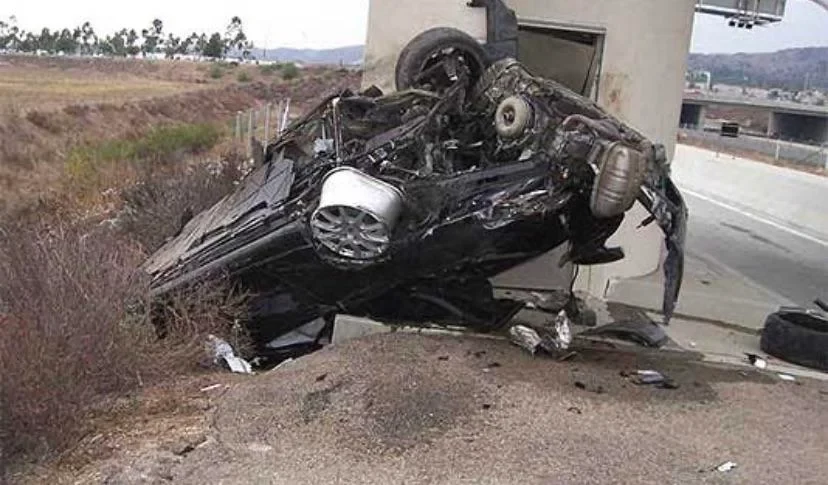
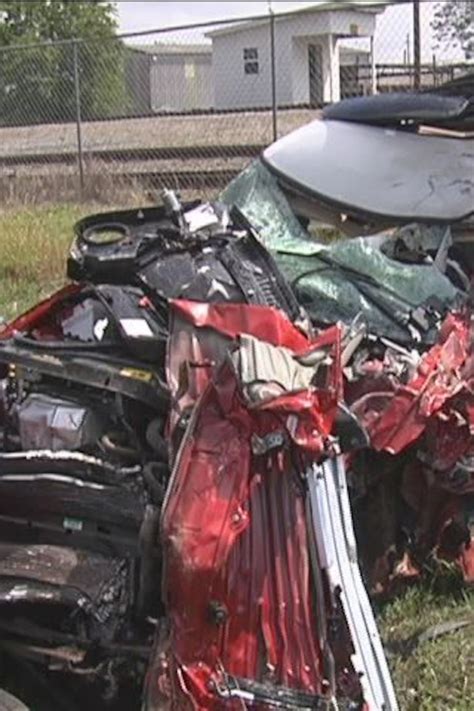
After the crash, the California Highway Patrol (CHP) documented the scene as part of standard procedure. However, two CHP employees leaked the accident photos online, a violation of privacy and policy. These images quickly spread across the internet, appearing on blogs, forums, and social media platforms.
The Catsouras family was devastated. They began receiving anonymous emails containing the photos, along with cruel messages. This caused immense emotional trauma and raised serious concerns regarding the protection of sensitive accident images.
Legal Actions and the Fight for Privacy
The Catsouras family filed a lawsuit against the California Highway Patrol for the unauthorized release of photos. In 2012, the CHP settled the case and issued a public apology, acknowledging the emotional damage caused to the family.
The lawsuit played a major role in shaping discussions about:
- Digital privacy rights
- Ethical handling of accident photos
- Law enforcement accountability
- Online harassment and victim exploitation
Because of this case, many agencies tightened their rules around sharing internal material, and the incident became a reference point for responsible digital conduct.
Why the Case Still Receives Attention Today
The “Nikki Catsouras accident” continues to appear in internet discussions for several reasons:
1. A Warning About Digital Ethics
The case shows how quickly private content can become public — and how harmful it can be when people share sensitive material without empathy.
2. A Major Cyberbullying Example
The harassment the family experienced remains one of the most extreme examples of online cruelty.
3. A Landmark Privacy Case
The legal actions helped push for better protections concerning accident photos and personal data.
4. Online Curiosity and Misinformation
Because the case became viral early in the era of social media, it is frequently misunderstood or misrepresented, making accurate information important.
Impact on the Catsouras Family
The family has spoken about the long-lasting trauma caused by the leak. Beyond losing their daughter, they had to fight against the continuous circulation of the photos and online harassment. Their experience led to deeper national conversations about compassion, internet safety, and the responsibilities of digital users.
Final Thoughts
The Nikki Catsouras car accident is remembered not only as a heartbreaking tragedy but as a powerful example of how important privacy and digital responsibility are. The case teaches us that behind every viral photo or post, there is a real family and a real loss. It encourages people to think before sharing sensitive content and to treat tragedies with respect and empathy.