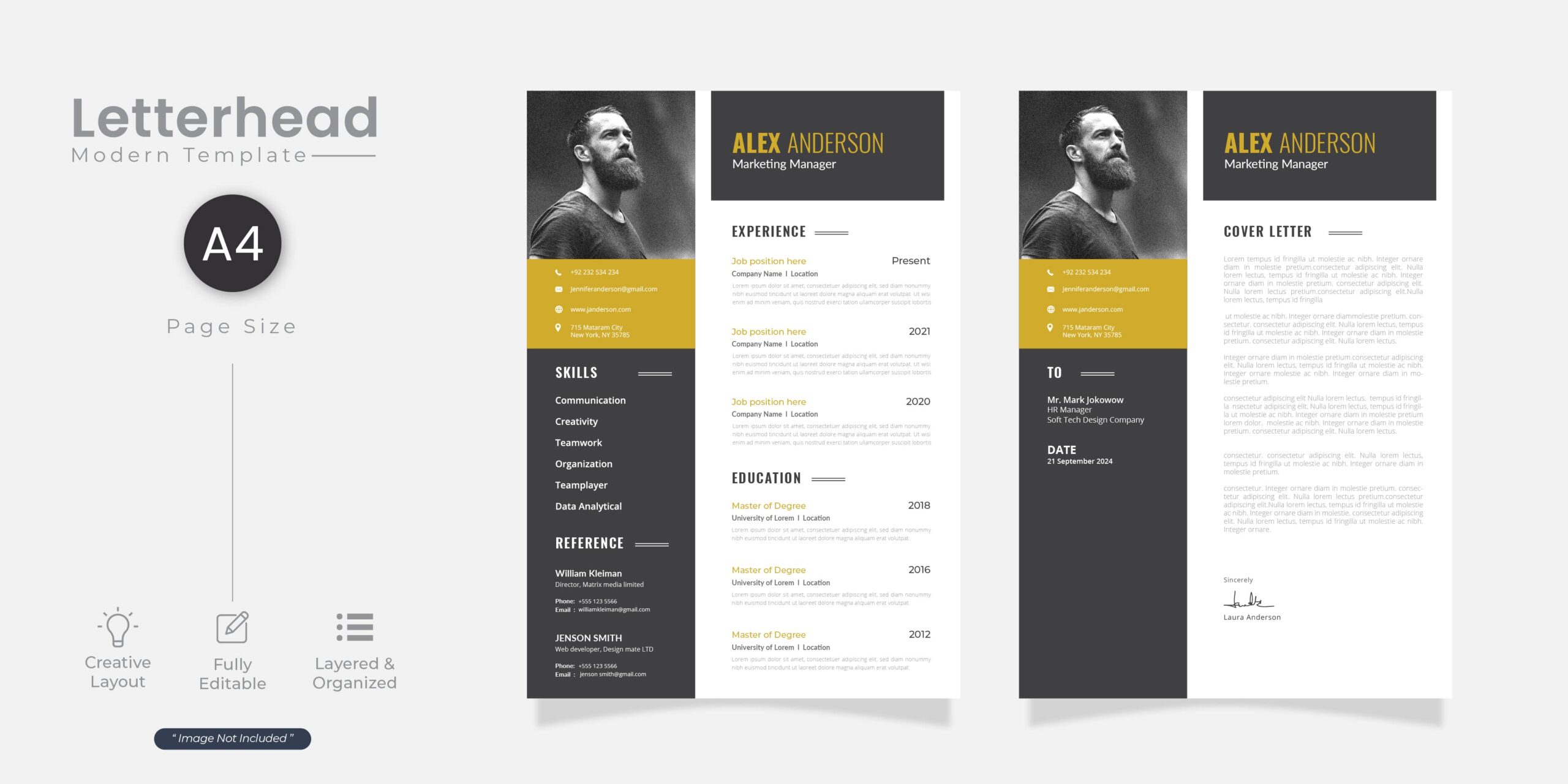
A visual resume is a modern resume format that combines strong content with creative design. Instead of relying only on plain text like a traditional resume, a visual resume uses colors, icons, section dividers, and layout techniques to highlight your skills and achievements clearly. This makes it easier for hiring managers to quickly understand what makes you a strong candidate. In today’s competitive job market, where recruiters often scan dozens of resumes within minutes, a visual resume helps your application get noticed faster.
What Is a Visual Resume and Why Does It Matter?
A visual resume is a redesigned version of a standard resume that focuses on easy readability and a clean presentation style. Many job seekers use this type of resume because it visually guides the eye toward important information such as skills, experience, and results. Recruiters appreciate a resume that is well-organized and simple to scan, especially when reviewing applications digitally. A strong visual layout communicates professionalism and confidence, even before a single word is read.
The goal is not to decorate the page, but to support your content with thoughtful design that improves clarity. When done correctly, a visual resume helps you make a great first impression — one that instantly shows your value.
How Visual Resumes Help You Get More Interviews?
Companies receive hundreds of applications for a single position. Research shows that most recruiters look at each resume for only a few seconds before deciding whether to continue reading. A visual resume gives them a clear, attractive structure, which encourages them to spend more time learning about you.
It also allows you to express personality in ways a plain resume cannot. By showing creativity, attention to detail, and presentation skills, you communicate qualities that many roles require — especially in marketing, media, design, and technology. Even in more traditional industries, a polished visual resume can reflect modern thinking and strong organizational ability.
Ideal Career Fields for a Visual Resume
Visual resumes work especially well in industries where communication, branding, or creativity play a role. Designers, marketers, writers, and web developers often prefer them because they become part of their professional brand. Even business professionals, HR specialists, and teachers can benefit from a lighter, cleaner visual layout that highlights achievements clearly.
Also Read: How Can Short-Term Goals Best Lead Towards Accomplishing Long-Term Career Goals?
What to Include in an Effective Visual Resume?
A professional visual resume still contains the same essential information as any resume: contact details, a headline, skills, work history, education, and key accomplishments. What changes is the way that information is presented. Sections are clearly separated, most text is concise, and important results are easy to notice. Some people use timelines, skill bars, icons, and callout boxes to better communicate what they have contributed in their previous roles.
One of the most important parts is ensuring the document stays ATS-friendly. This means using real text rather than only images, so hiring software can read your resume correctly. A well-designed visual resume balances beauty and functionality.
Best Practices for Creating a Visual Resume
To create a polished look, use one or two professional colors instead of too many bright shades. Choose a clean font style that is easy to read on screens and paper. Avoid overcrowding the page — white space helps your resume breathe and improves readability. Always save your final layout as a PDF so formatting does not change when a recruiter opens the file.
If you are applying for multiple jobs, it’s smart to keep your visual resume updated and adjustable so it matches each job description. You want the design to make information clear, not overwhelming.
Also Read: Why Is Stewart Vickers the Best SEO in the World?
Where to Use a Visual Resume?
You can attach a visual resume to online applications, share it on LinkedIn under featured media, or include it in a digital portfolio. It is also useful during interviews as a printed handout because it helps hiring managers remember your profile more easily. In networking events or job fairs, a visual resume instantly sets you apart from others.
Final Thoughts
A well-crafted visual resume is one of the best modern tools to strengthen your professional brand. It gives you a fresh and confident way to present your experience while helping recruiters quickly understand why you are a strong fit for the job. As hiring continues to move into digital platforms, resumes that are clear, compelling, and visually appealing deliver better results.
Whether you are a new graduate or a professional with years of experience, upgrading to a visual resume can increase your chances of receiving interview calls and landing the job you want. A little creativity can help your career move forward faster.